
Are the Cotswolds worth visiting, or is it just a pretty postcard that falls apart once you arrive? We went to find out, and I came home with a clear answer: yes, but only if you go in with the right expectations.
The honey-stone villages are as lovely as the photos. A couple of the famous spots are also smaller, busier, and tougher to reach than the photos suggest. This guide covers both sides so you can decide before you book anything.
If you want our exact route, here’s our 4-day Oxford and Cotswolds villages itinerary. This post is the bigger question: is it worth your time, your money, and your limited vacation days?
Jump to ...
Are the Cotswolds Worth Visiting? Our Honest Verdict
Yes, they’re worth it if you want slow mornings, stone cottages, short countryside walks, and tea rooms with no agenda. They’re not worth it if you want big headline sights, nightlife, or a trip you can pull off without a car.
Why People Love It (and Why It’s So Popular)
The Cotswolds are one of those places where the history is the scenery. In the Middle Ages, this was sheep country, and the wool trade made local merchants very rich. They spent that money on grand churches (the so-called “wool churches”) and on the limestone houses that still line the villages. That stone is also why everything looks honey-colored and glowing in the late afternoon.
The result is a whole region that looks the same as it did centuries ago, which is a big part of why it’s so popular. Figures I’ve seen put it at roughly 38 million visits a year, which explains the crowds. The setup is also very easy to enjoy: compact villages, short walks, pubs with fireplaces, and nothing you have to queue for. If you’re wondering whether the Cotswolds are a good holiday destination for a relaxed trip, that’s the real draw.
Where the Hype Falls Short
Not everything lives up to the postcard.
- Bibury is tiny. Arlington Row is beautiful, but it’s essentially one famous row of cottages and a river. We spent about an hour there, and that was plenty.
- Midday crowds are real. Bourton-on-the-Water felt like a different village at noon compared to early morning or evening.
- Parking can be a headache. These villages were never designed for cars, let alone tour buses.
- Public transport is thin. Between villages, it’s patchy at best.
So is the Cotswolds overrated? A little, in specific spots. The region as a whole isn’t, but the “famous-for-one-photo” stops can disappoint if you treat them as the main event. Quiet villages like Lower and Upper Slaughter were the ones we talked about the most afterward.
Who Will Love It and Who Should Skip It
| You’ll love it if… | Skip it (or rethink) if… |
|---|---|
| You like slow travel, walks, and cozy pubs | You want nightlife or big-city energy |
| You’re traveling as a couple, a family, or solo and relaxed | You hate driving and can’t find a train-friendly base |
| You enjoy history in small doses (churches, market squares, old cottages) | You need a long list of must-see attractions |
| You can visit midweek or off-peak | You can only go on a summer Saturday |
Where Is the Cotswolds? Location, Size and Nearest Cities
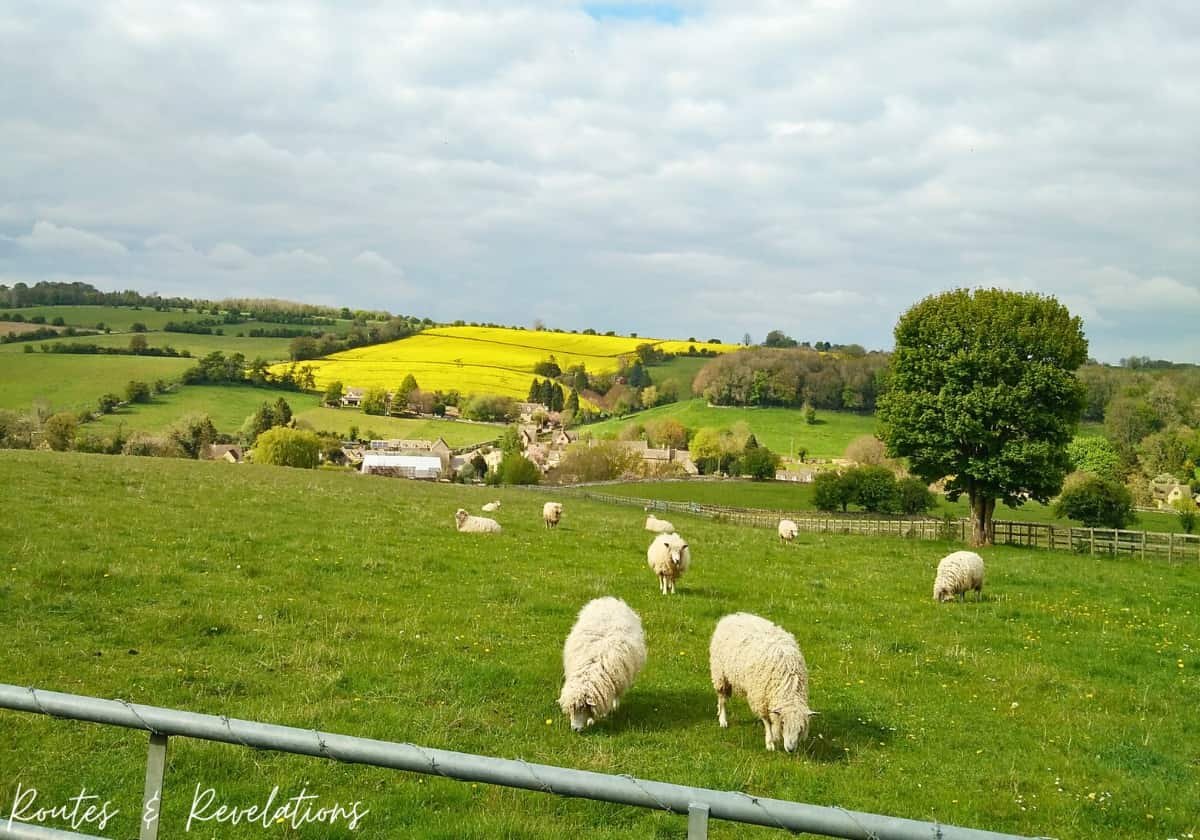
The Cotswolds is a stretch of rolling limestone countryside in central England, about 90 miles northwest of London. It covers roughly 800 square miles and spills across parts of six counties, including Gloucestershire, Oxfordshire, Wiltshire, and Somerset. The “wolds” in the name means rolling hills, and the whole area is one of the largest protected landscapes in England and Wales.
The nearest bigger cities are Oxford (on the eastern edge), Bath (to the south), and Cheltenham, Gloucester, and Stratford-upon-Avon. Oxford is the easiest jumping-off point, and Bath is a lovely alternative if you’d rather approach from the south. Wiltshire’s Castle Combe and Lacock villages sit on the southern edge and make an easy add-on.
Going to spend a day each in Oxford or Bath? Get our detailed one day itinerary for Oxford and Bath. Also find out how you can see Bath, Castle Combe, Lacock, and visit ancient stone circles with our 3 day itinerary for Wiltshire, England.
Is the Cotswolds a National Park?
No. It’s not a national park, which means there are no entry gates, no park fees, and no single “visitor center” experience. It was long known as an Area of Outstanding Natural Beauty, a status that has since been rebranded as a National Landscape. In practice, it means the countryside is protected, but the villages are lived in and the whole area is a patchwork you explore at your own pace.
Is the Cotswolds Expensive? Costs and Budget Tips
It can be. Prices shift constantly, so I won’t throw numbers at you, but I can tell you where the money goes: accommodation, then your car, then food. Weekend stays in the prettiest villages, especially in summer, are where costs climb fastest.
Where the Cotswolds Costs More (and Less) Than You’d Think
The good news is that most of what you’ll actually do costs nothing. Wandering Bourton, walking between the Slaughters, browsing Stow’s market square, and admiring Arlington Row are all free. The things that add up are weekend lodging, parking in busy villages, pub meals, and a rental car if you’re not driving your own.
How to Visit on a Budget
If you’re after a cheap Cotswolds getaway, these moves help the most:
- Go midweek or in the shoulder season. Rates and crowds both drop.
- Base in a market town instead of a postcard village. You’ll often find more options at friendlier prices.
- Do your big meal at lunch. Many pubs have lunch menus that cost less than dinner.
For hotels, bed & breakfasts or home rentals, check what’s on offer for your dates online.
Cotswolds vs Lake District vs Cornwall: Which Is Better?
A quick note on fairness: we visited the Cotswolds, so I’ve researched the other two rather than speaking from firsthand experience there. Here’s how they stack up for a short trip.
| Cotswolds | Lake District | Cornwall | |
|---|---|---|---|
| Landscape | Rolling hills, stone villages | Low mountains and lakes | Coast, cliffs, beaches |
| Best for | Cozy villages, easy walks | Hiking, dramatic scenery | Seaside, surf, coastal walks |
| Getting there from London | Roughly 2 hours | Most of a day | A long travel day |
| Weekend-friendly? | Very | Possible, but tiring | Better with a week |
| Rainy-day options | Pubs, tea rooms, small museums | Lots of cozy towns, but wetter | Beaches are less fun in rain |
Pick the Cotswolds if you want an easy, charming weekend break or 2-3 days close to London or Oxford. Pick the Lake District if you want mountains and proper hiking. Pick Cornwall if the sea is the point and you have more than a weekend. For a short trip where logistics matter, the Cotswolds wins, simply because you spend less time in transit.
Best Time to Visit the Cotswolds: Season and Month Guide
Spring vs Autumn: Which Is Better?
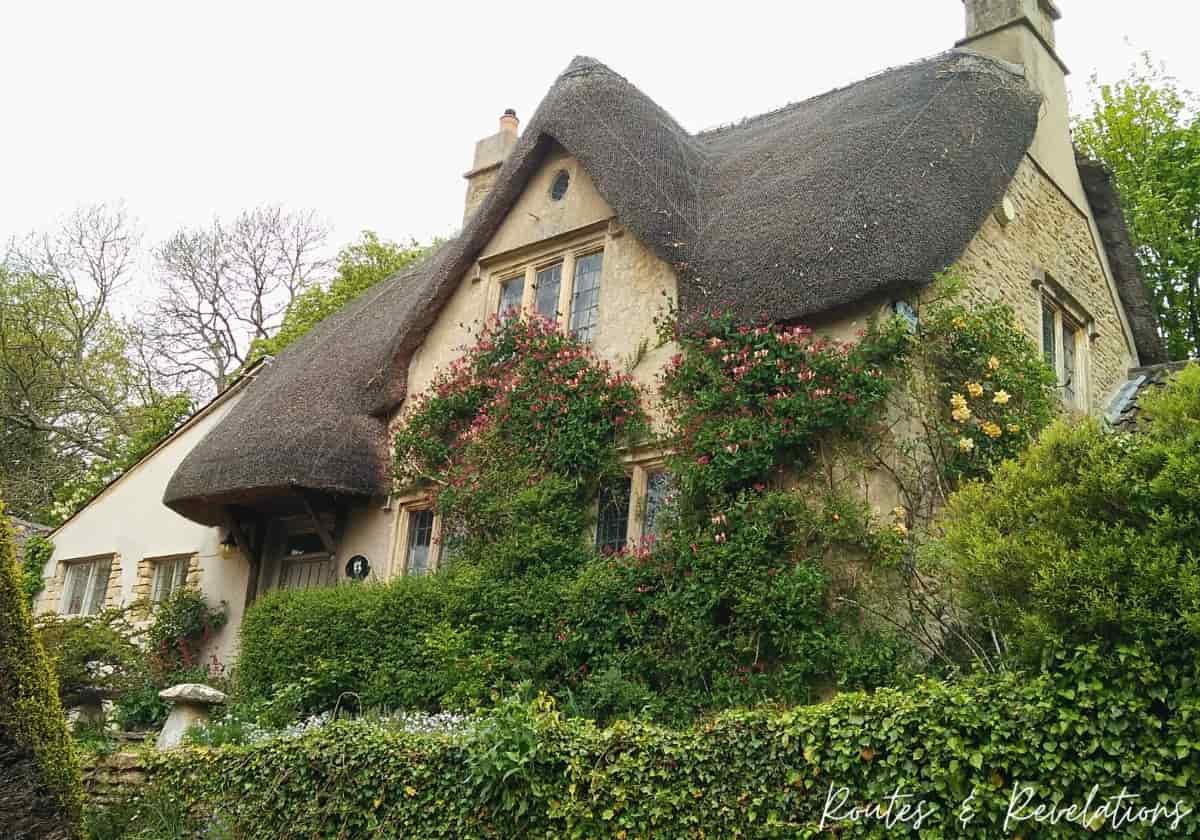
Both are great, and I wouldn’t argue too hard for either. Spring brings green fields, lambs, and wisteria on the cottage walls. Autumn brings golden light and a cozier feel. If you’re picking by crowds, autumn midweek tends to be calmer than spring weekends. If you’re chasing the greenest scenery and the longest days, go in spring.
Best Time for Fewer Crowds (and the Worst Time to Go)
The best time of year to visit the Cotswolds for fewer crowds is early spring, late autumn, or any weekday outside school holidays. The worst time is a summer weekend or a bank holiday. That’s when parking falls apart and the famous villages feel overrun.
A trick that worked for us: be early or be late. We saw Bourton in the morning and again in the evening, and it felt like two different places. Midday is when the tour buses roll in.
Is the Cotswolds Worth Visiting in Winter?
Yes, if you’re okay with a quieter, moodier trip. January, February, and November are the calmest months. You’ll get empty streets, cozy pubs with log fires, and cheaper stays. The tradeoffs are shorter days (it’s dark by mid-afternoon), muddy paths, and some attractions running reduced hours.
So is January worth it? For a cozy, no-crowds break, absolutely. For classic village photos in green scenery, wait for spring.
The Cotswolds at Christmas: Is December Worth It?
December is a different mood. Many towns hold Christmas markets and light switch-ons (festive public events for officially illuminating towns and shopping districts) in late November and December, and the villages get a festive glow. Just plan around the short daylight, since sunset comes early. Also check opening hours, because some pubs and attractions close or shorten hours around December 25. If you want the “magical Christmas village” feel, it’s worth it. Book accommodation early.
What to Wear in the Cotswolds
Layers, always. The weather can swing in one afternoon. Bring a waterproof jacket, and good walking shoes with grip, since village paths and the Slaughters walk can get muddy after rain. We were on our feet for most of the trip, so comfortable shoes mattered more than anything else we packed.
How Many Days Do You Need? Day Trip vs Weekend Stay
Cotswolds Day Trip vs Weekend: The Real Difference
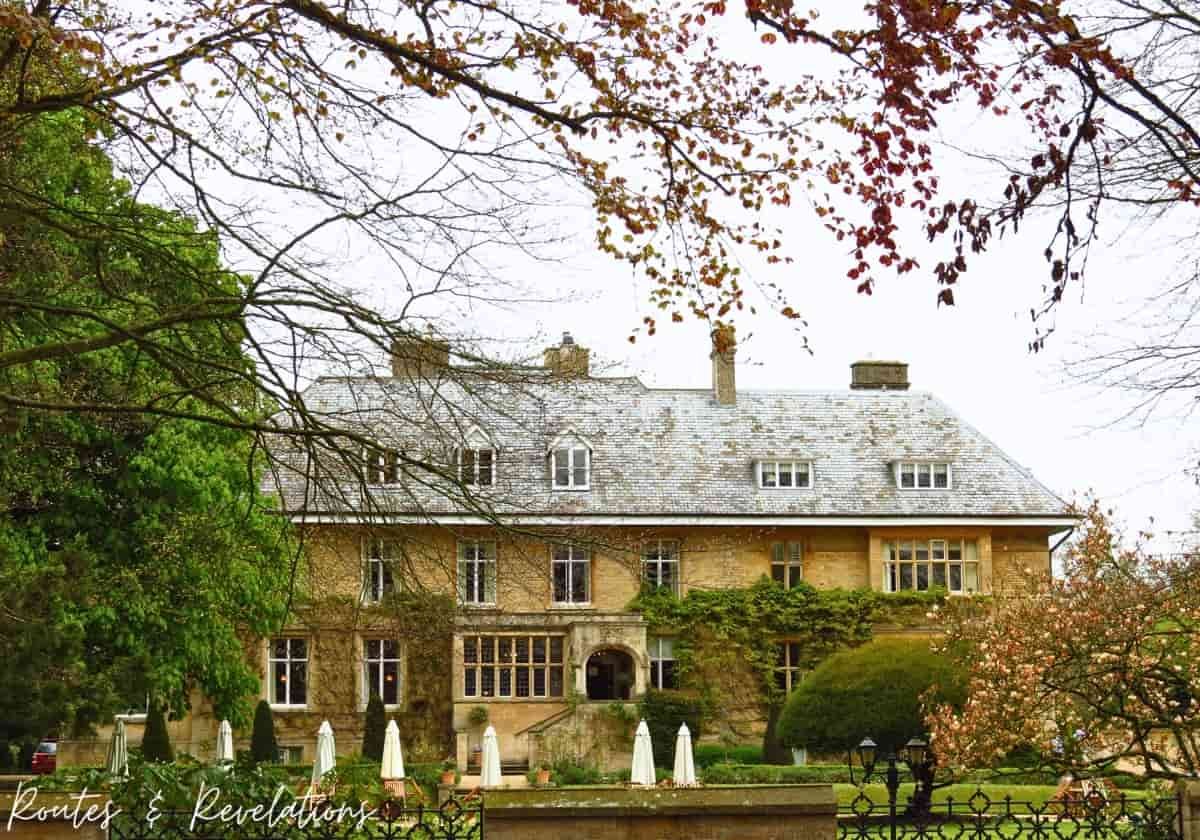
A day trip gets you a taste: two or three villages, a pub lunch, and a lot of time in a car or on a bus. A weekend stay lets you do things the Cotswolds are actually good at, like early-morning wanders, an unhurried walk, and an evening by the fire. If you have a choice, stay at least one night.
2-Day and 3-Day Itinerary Skeletons
Two days:
- Day 1: Bourton-on-the-Water (early), then the Slaughters walk, then Stow-on-the-Wold.
- Day 2: Burford, then Castle Combe and Lacock, end with Bibury.
Three days by car: Add a day of Blenheim Palace, Chipping Campden, or Cirencester, depending on your interests.
For a full, day-by-day plan that combines Oxford with the villages, see our Oxford and Cotswolds 4-day route. If Blenheim interests you, our Blenheim Palace guide covers it in detail.
How to Get to the Cotswolds: From London, Oxford and Bath
Cotswolds From London: Is a Day Trip Worth It?
It’s about 90 miles from London to the heart of the Cotswolds, which is roughly two hours by car in decent traffic. By train, the Cotswold Line from London Paddington runs via Oxford to Moreton-in-Marsh in about an hour and a half, which makes the nearest station the easiest starting point for villages like Stow and Bourton.
Is a day trip from London worth it? Honestly, it depends. If you only have one day, it’s still worth it, but you’ll spend a good chunk of it in transit and feel rushed. Pick just one town for the day. If you can stretch to an overnight stay, you’ll enjoy it far more and can visit another village or two. For the best day trips from London, you have three main options: get a rental car and drive yourself, a guided tour that handles the driving, or a train to Moreton-in-Marsh plus a local taxi or bus (Pulhams and Stagecoach).
By Train, and From Oxford or Bath
Visiting the Cotswolds from Oxford is the most natural pairing, because Oxford sits right on the eastern edge. We did exactly that, and our Oxford and Cotswolds itinerary shows how. For ideas on the city itself, see our Oxford 1-day guide.
Visiting the Cotswolds from Bath works well too, especially for the southern villages. Our Bath one-day guide covers the city, and Bath combines well with Castle Combe and Lacock.
When it comes to visiting the Cotswolds by train, plan carefully. Only a handful of towns have a station (Moreton-in-Marsh is the most useful), and most villages don’t but a few are served by the local bus network. For tickets from London, compare options on Omio.
Do You Need a Car in the Cotswolds? Car, No Car or Tour
If you want to see more than one or two villages, a car makes everything easier. Self-drive gives you control: you can linger over tea in Burford or skip a stop if the weather turns. It’s how we saw Burford, Bourton, the Slaughters, Stow, and Bibury in a couple of days. The catch is driving on narrow lanes (on the left, if you’re from elsewhere) and finding parking, which can be tight in popular villages on weekends. Arrive early and be ready to walk a bit from where you park.
If you’re driving, compare rental prices on Discover Cars.
You can visit the Cotswolds without a car, but you have to plan around it. There are two realistic ways to do it. Either base yourself in a town near a train station like Moreton-in-Marsh, or a village on a bus route, and use taxis or local buses for the short hops, or to join a guided day tour. Pick one or two villages and settle in rather than try to see everything.
A guided tour takes the stress out of navigation and parking, but you’re on someone else’s schedule. If you’re nervous about driving or only have one day, book a tour. If you want freedom, drive. One honest note: there isn’t a single guided tour that covers a multi-day trip end to end, so most tours work best as a one-day add-on.
Short on time and don’t want to drive? Take a guided day tour like this small group day tour from London, or browse highly rated private tours.
Best Cotswolds Villages and Towns: Which Ones Are Worth It?
Our Village Scorecard
Here’s how I’d rate the villages we visited, plus a few well-known ones I’ve researched but didn’t see on this trip.
| Village | Vibe | Crowds | Time needed | Verdict |
|---|---|---|---|---|
| Lower and Upper Slaughter | Quiet, postcard-perfect, walkable | Low | 2 hours (circular walk) | Best of the trip |
| Burford | Sloping high street, antiques, tea rooms | Medium | 2 hours | Worth it |
| Bourton-on-the-Water | River, low bridges, busy | High at midday | 2 to 3 hours | Worth it, go early or late |
| Stow-on-the-Wold | Market town, big square, antiques | Medium | 1 to 2 hours | Worth it as a stop |
| Bibury | One famous row, one great photo | High | About 1 hour | Depends |
| Broadway (researched) | Polished, upmarket village | Medium to high | 2 hours | Likely worth it |
| Chipping Campden (researched) | Elegant high street, historic buildings | Medium | 2 hours | Likely worth it |
| Castle Combe | Tiny, storybook, almost frozen in time | High in peak season | About 1 hour | Worth it as a quick stop |
| Lacock | National Trust village with an abbey and a film-set look | Medium to high | 2 hours | Worth it, especially for history lovers |
Best Villages for First-Timers and for One Day
For a first visit, start with Bourton-on-the-Water, Burford, and the Slaughters. They’re close together and give you the classic Cotswolds experience: a river, a high street, and a quiet walk. If you only have one day, link the Slaughters walk with Bourton, then finish in Stow.
Best Villages to Skip the Crowds, and for Couples
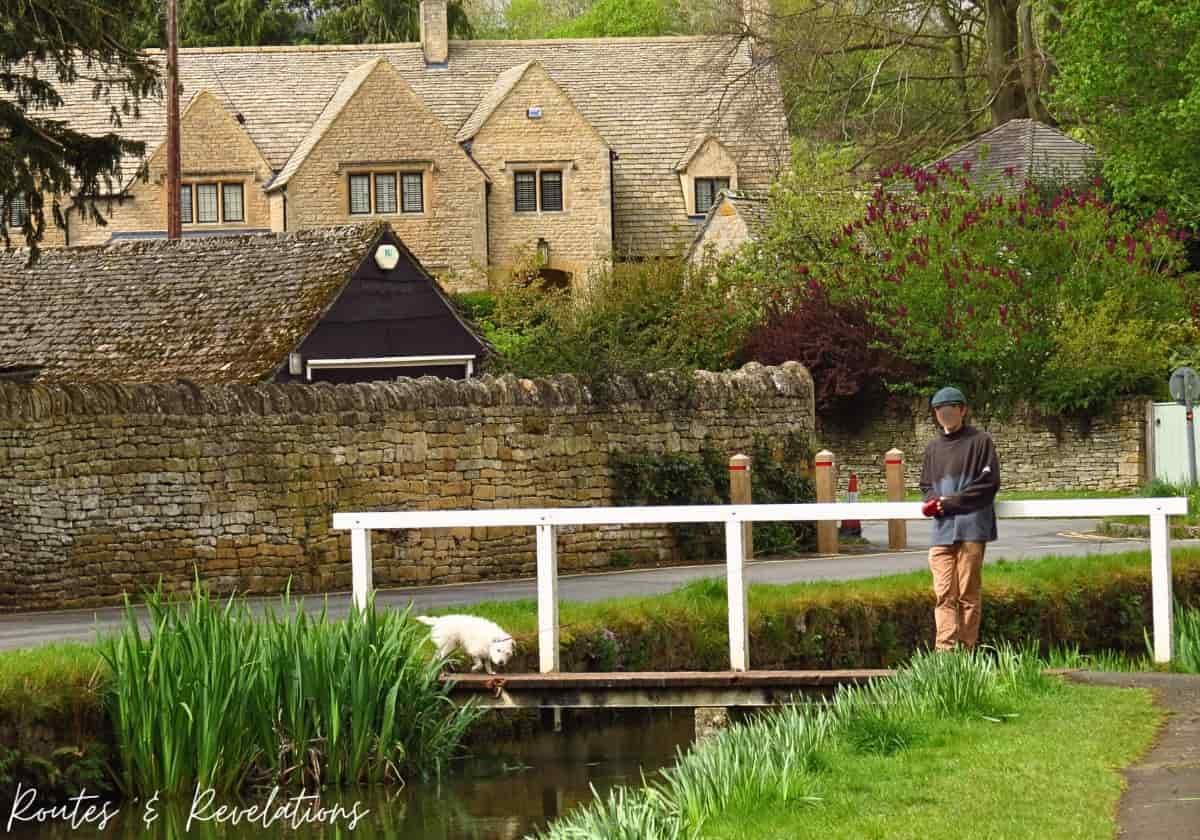
For fewer people, go for Upper Slaughter, or visit Bourton and Burford early or late in the day. For couples, Burford’s slow tea stop and the Slaughters walk are quietly romantic without trying. A cream tea in Burford was one of our favorite small moments of the trip.
Are Burford and Broadway Worth Visiting?
Burford: yes. The high street slopes down to the River Windrush, lined with honey-stone buildings, antique shops, and tea rooms, and it’s compact enough to see in a couple of hours. It also has more history than it lets on. In 1649, a group of Leveller mutineers were held in the church here after a clash with Cromwell’s army, and some were executed in the churchyard. I read about that after we visited, and I wish I’d known before we stepped inside.
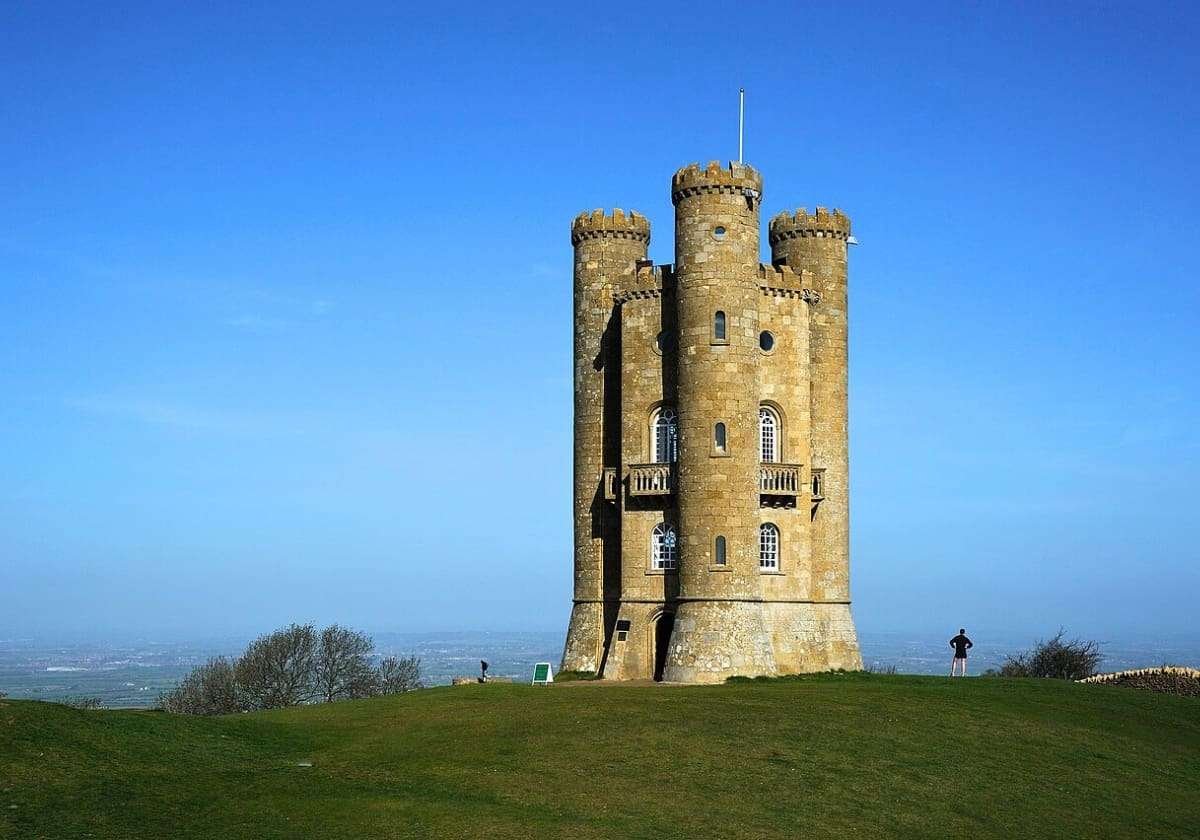
Broadway: probably, but it’s busier and more polished. It’s often called the “Jewel of the Cotswolds,” and it has a long high street and a good mix of shops and cafes. We didn’t visit on this trip, so this is based on research rather than firsthand experience.
Market Towns Worth Your Time
Stow-on-the-Wold is a proper market town with a wide square, because it was once a major sheep-trading hub. It’s also tied to the English Civil War. It’s said that the last major battle of the first war ended near here and that captured soldiers were held inside St Edward’s Church. The church’s north door, flanked by two ancient yews, is also said to have inspired parts of Tolkien’s writing. Other market towns I’ve researched but haven’t visited include Cirencester (a Roman town with a busy market) and Tetbury.
Best Things to Do in the Cotswolds
Easy Walks for Beginners, Plus the Cotswold Way
The Slaughters circular walk was our favorite half day. It connects Lower and Upper Slaughter along a stream and some open farmland, takes about twenty to thirty minutes each way, and is flat and easy underfoot. It’s the perfect beginner walk.
If you want something longer, the Cotswold Way is a 102-mile national trail running from Chipping Campden to Bath. You don’t have to walk the whole thing, since sections work well as day walks. Wear shoes with proper grip, because paths can get muddy.
Sights Beyond the Villages
Beyond wandering villages, the Cotswolds has some solid attractions. Blenheim Palace is the big one: a UNESCO World Heritage Site and the birthplace of Winston Churchill, with grounds landscaped by Capability Brown. It’s a short drive from Oxford, and we saw a falconry display and a jousting event on the day we visited. Our full Blenheim Palace guide covers tickets and how to plan your visit. Book tickets in advance to skip the entry queue, and you can check current availability here.
In Bourton, the Model Village (a one-ninth scale replica of the village) and the Cotswold Motoring Museum & Toy Collection (rare vehicles and classic memorabilia) are fun small stops. Other options include formal gardens, small museums, and wildlife parks.
Where to Have a Sunday Lunch
A Sunday roast in a Cotswolds pub is one of the region’s best traditions. Look for a pub with a fireplace, a roast served until mid-afternoon, and a table you’ve booked ahead, since the best ones fill up fast. Villages like Stow-on-the-Wold and Burford have plenty of options. If you’re visiting in cooler months, a roast by an open fire is the cozy highlight.
Where to Stay in the Cotswolds: Best Bases for Every Trip
Use this accommodations map below to find your perfect hotel, B&B, or vacation rental in the Cotswolds:
Best Base for First-Timers
For a first visit, Bourton-on-the-Water is a good base: central, walkable, and close to the Slaughters, Stow, and Burford. We stayed there and it worked well, though it’s busier and more touristy at midday. Stow-on-the-Wold is an alternative if you want more food options, and Burford is a good pick if you prefer a calmer high street.
If you’re on a budget, look at larger towns or villages just outside the most famous ones. For families, a self-catering cottage gives you space and a kitchen, which makes a big difference with kids.
Visiting the Cotswolds With Kids or a Dog
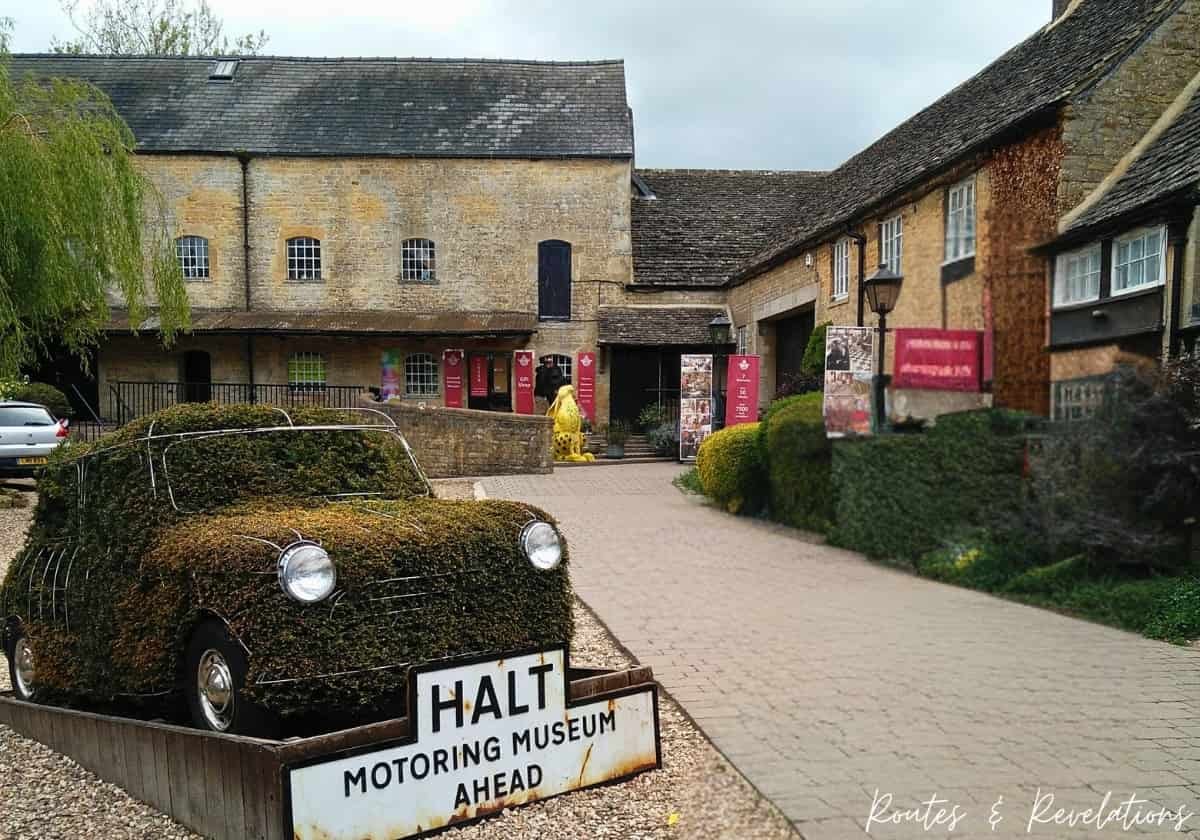
Several spots work well for younger kids. Bourton’s shallow River Windrush is great for splashing on warm days. The Model Village is a fun miniature world and the Cotswold Motoring Museum & Toy Collection is great for everyone. Birdland Park has penguins and flamingos, and Bibury Trout Farm lets kids feed the fish. If you have energy to burn, Blenheim’s grounds are huge. Cotswold Wildlife Park, near Burford, is another popular option based on my research.
The Cotswolds is very dog-friendly. Many pubs and cafes welcome dogs, lots of walks are well suited to them, and we saw dogs happily wading in Bourton’s river. Two things to keep in mind: keep dogs on a lead around livestock (especially in lambing season), and check each pub or rental cottage in advance, since policies vary. This is based on research, not firsthand experience with a dog.
Our Final Verdict and Planning Checklist
The Cotswolds are worth visiting if you go with the right mindset. Choose quiet villages over famous photo spots, go early or late, and give yourself at least a night or two. Skip it if you want big-ticket sights or you can’t manage without a car.
FAQ
Which Cotswolds village is best?
For a first visit, Bourton-on-the-Water and Burford cover the classic experience, but the Slaughters were our favorite for quiet charm.
Do you need a car to visit the Cotswolds?
A car makes it much easier, but you can manage without one by basing yourself near a train station and using taxis, or booking a guided tour.
Is the Cotswolds worth visiting in winter?
Yes, if you like quiet streets and cozy pubs. Expect shorter days and muddy paths.
Is the Cotswolds expensive?
It can be, especially for summer weekend stays. Going midweek or in the shoulder season helps a lot.
How many days do you need in the Cotswolds?
Two or three days is a comfortable amount for the villages. One day works as a taster.

